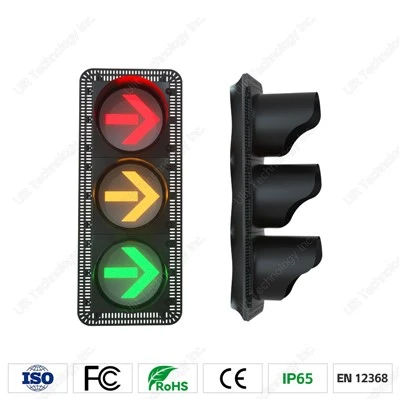
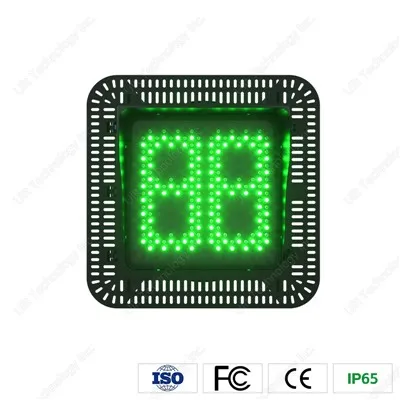
Traffic management systems (especially modern intelligent traffic management systems) leverage information technology, big data, and artificial intelligence to significantly improve the efficiency and safety of urban traffic management.
Improving traffic efficiency and alleviating congestion:
Real-time traffic flow monitoring and dynamic adjustment: Real-time traffic data is collected through cameras, geomagnetic sensors, GPS, and other devices to automatically identify congestion points and dynamically adjust resource allocation such as traffic light timing and tidal flow lanes.
Intelligent signal control optimization: Algorithms such as green wave coordination control and adaptive signal timing are used to reduce intersection waiting times and improve the capacity of main roads.
Route guidance and travel suggestions: Integrating data from navigation apps, public transport information, and other sources, the system recommends optimal routes to drivers or encourages the use of public transport to alleviate traffic congestion.
Enhance security and prevention capabilities:
Proactive Early Warning and Rapid Incident Response: The system can automatically identify abnormal events such as accidents, illegal parking, and broken-down vehicles, and coordinate with police forces for response within seconds. For example, the new system in Shenyang can predict traffic congestion 30 minutes in advance with an accuracy rate of 89.6%.
Intelligent Violation Recognition: AI cameras automatically capture behaviors such as speeding, running red lights, and illegal parking, reducing human error and improving enforcement efficiency and deterrence.
Real-time equipment status monitoring: Provides early warnings of malfunctions in traffic facilities such as traffic lights and monitoring poles to prevent accidents caused by equipment failure.