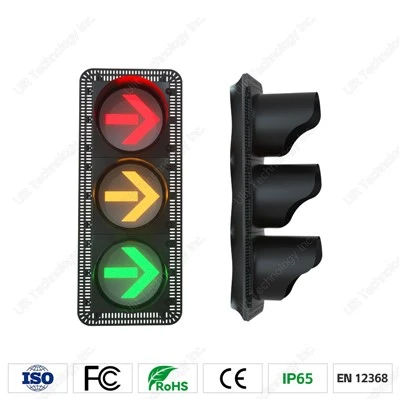
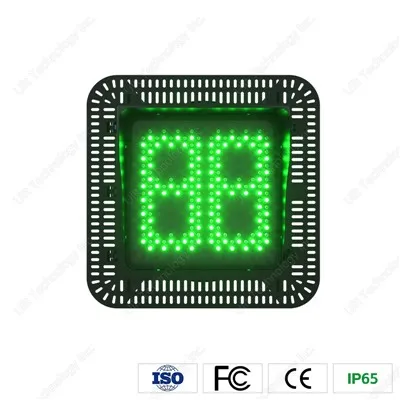
Road signs, as indispensable visual guidance tools in road traffic, primarily function to convey road information through standardized symbols, regulate traffic behavior, and ensure safety. From urban roads to highways, sign design must balance visibility, durability, and environmental adaptability. The choice of materials, size specifications, and customization capabilities directly impact their effectiveness. The following analysis examines both technical principles and practical applications.
Material selection for signs must balance weather resistance and cost. Common materials include aluminum alloy, reflective film, and engineering plastics. Aluminum alloy substrates are lightweight and highly corrosion-resistant, suitable for long-term outdoor use. Reflective film uses glass microspheres or microprism structures to achieve nighttime reflection, improving visibility in low-light environments. For example, signs using high-intensity reflective film can reflect light from 800 meters away under vehicle headlights, significantly reducing the risk of nighttime accidents. Furthermore, engineering plastics, through special coating treatments, can withstand harsh environments such as acid rain and salt spray, extending their service life.
Customization capabilities are key to sign adaptability to complex scenarios. Modern traffic signs support full customization in size, color, pattern, and text. For example, curved signs can be customized to fit the curves of roads in mountainous areas; in construction areas, movable signs can be installed using temporary supports, allowing for flexible adjustments to the warning content. Furthermore, the manufacturing process of the signs also affects their functionality: standard welding processes ensure structural stability in strong winds, while laser cutting technology enables precise rendering of complex patterns, meeting the needs of special scenarios.