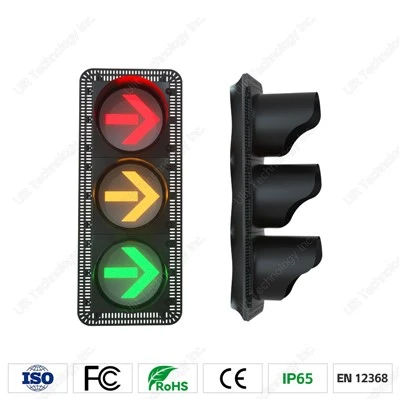
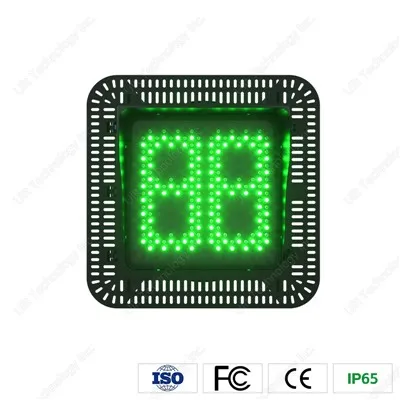
LED screens are a new type of imaging electronic device made by arranging light-emitting diodes (LEDs) in sequence. Due to their high brightness, wide viewing angle, and long lifespan, they are being widely used in products such as outdoor advertising screens.
Using LED light sources for lighting will first replace power-consuming incandescent bulbs, and then gradually penetrate the entire lighting market, saving a significant amount of electricity. Recently, white LEDs have achieved single-chip power consumption exceeding 1 watt and light output of 25 lumens, further increasing their practicality.
Widely used in: government squares, National Day celebrations, leisure squares, large entertainment plazas, bustling commercial centers, advertising information boards, commercial streets, train stations, waiting rooms, performing arts centers, live television broadcasts, exhibition venues, concert venues, and other locations.
In terms of application scenarios, LED displays, with their advantages of high brightness, wide viewing angle, and long lifespan (theoretically exceeding 100,000 hours), cover multiple fields such as commercial advertising, sports events, cultural performances, traffic control, education, and healthcare. For example, outdoor advertising screens need to have IP65 waterproof and dustproof capabilities, and a brightness of over 5000 cd/㎡ to cope with strong light environments; stage rental screens require lightweight modules (single unit weight ≤ 8kg) and support for quick assembly and disassembly to meet the needs of touring performances. Furthermore, with breakthroughs in Micro LED technology, pixel pitch has been reduced to below 0.1mm, enabling 8K and even higher resolutions, providing solutions for emerging markets such as virtual filming and home theaters.